
What Panic Bar Installation Actually Involves for Ardsley Commercial Properties
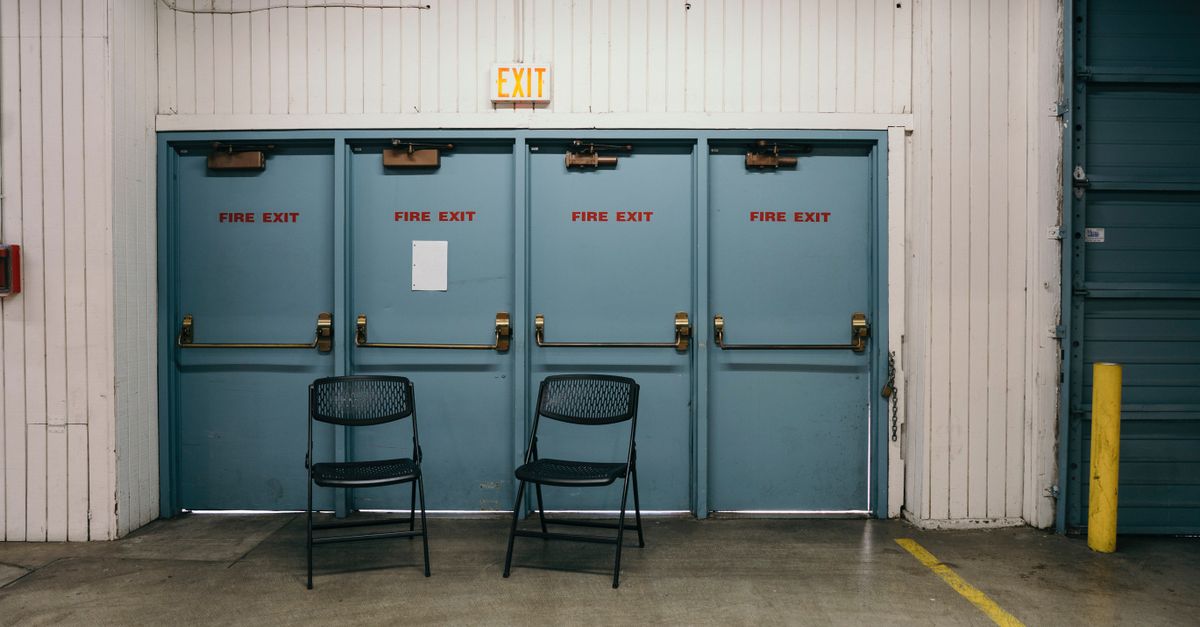
A panic bar — also called a crash bar or exit device — is a spring-loaded horizontal bar mounted across the interior face of an emergency exit or primary egress door. When pressed, it unlatches the door instantly, requiring zero twisting, turning, or key operation from the inside. That single-motion release is precisely what fire codes and ADA guidelines require for doors serving ten or more occupants. Installation is not simply bolting hardware to a door: our technicians evaluate the door material (hollow metal, wood, aluminum storefront), the frame condition, hinge placement, and whether the existing prep — the cutouts and reinforcements already in the door — match the new device. In many Ardsley buildings constructed in the mid-20th century, doors were built to older standards, which means our team often needs to adapt mounting plates or reinforce the door edge before the new hardware seats correctly.
The most demanding installations involve a panic bar with mortise lock integration. A mortise lock is set into a deep rectangular pocket cut into the door edge, housing a latch bolt, deadbolt, and sometimes an auxiliary function all within a single chassis. Pairing a mortise lock panic bar setup gives you simultaneous inside egress and controlled outside entry — a combination common on main lobby doors for office buildings and medical suites. Our technicians are experienced with the full range of mortise lock configurations and can retrofit existing mortise preps or cut new pockets where none exist, all without compromising the door's structural integrity.